Creating an Immersive Musical Experience: A Behind-the-Scenes Look


Setting the Stage for an Immersive Musical Experience
Creating an immersive musical experience is an art form that combines various elements to captivate and engage audiences. The goal is to transport listeners into a different world, where they can feel every note and rhythm. This process involves meticulous planning, creativity, and a deep understanding of music.
Every successful musical experience starts with a vision. This vision guides the entire process, from the choice of music to the design of the venue. Whether it's an intimate concert or a grand symphony, the vision sets the tone and direction for the event.
The Role of Technology
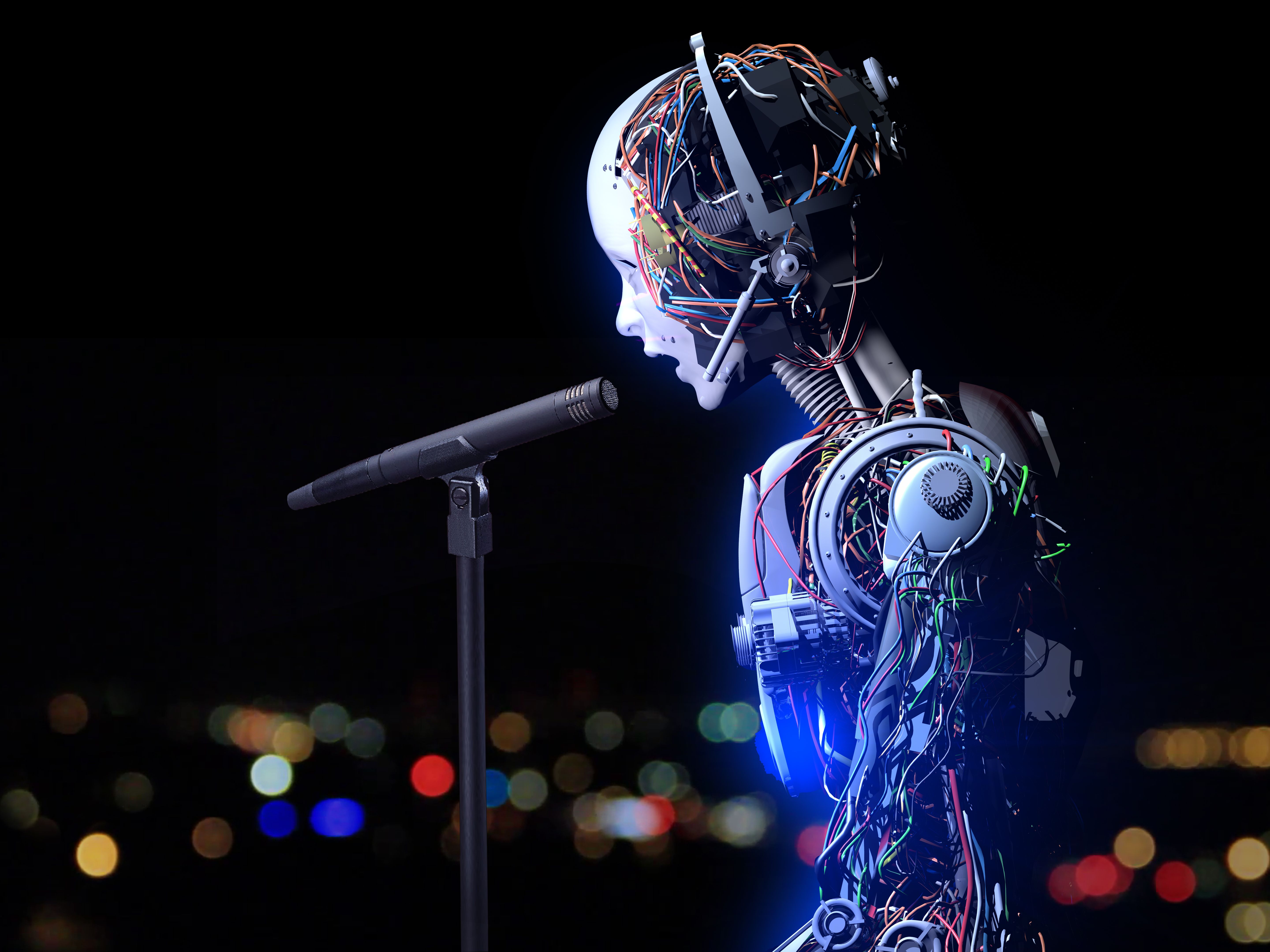
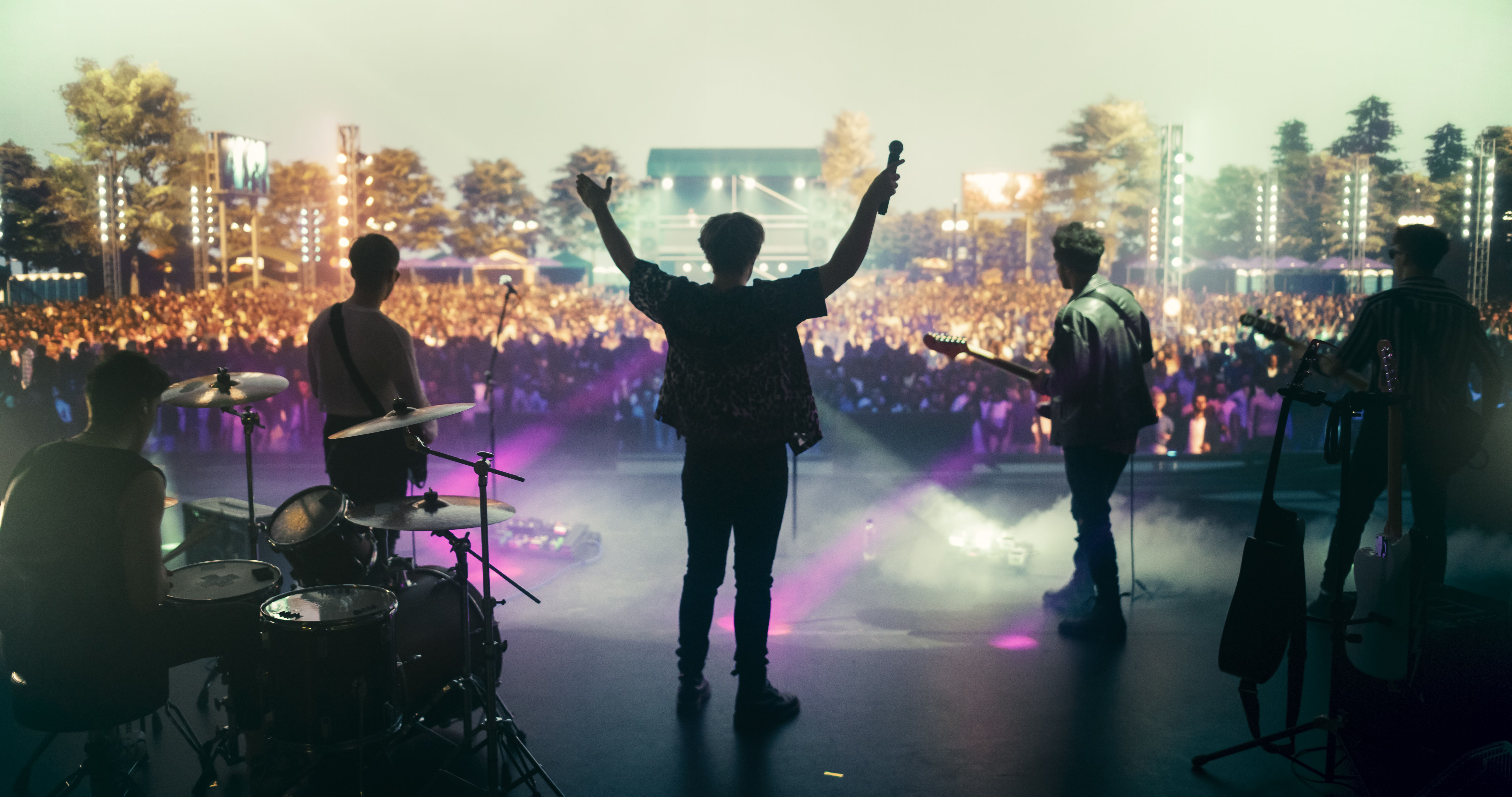
Technology plays a crucial role in enhancing the musical experience. From sound engineering to visual effects, technology can transform a simple performance into an unforgettable journey. High-quality sound systems ensure that every note is heard clearly, while lighting and projection create a visual spectacle that complements the music.
Virtual and augmented reality are also becoming popular in creating immersive experiences. These technologies allow audiences to interact with the music in new and exciting ways, making them feel as though they are part of the performance.

Collaboration and Creativity
Creating an immersive musical experience is often a collaborative effort. Musicians, sound engineers, visual artists, and producers work together to bring the vision to life. This collaboration allows for a fusion of ideas and talents, resulting in a richer and more dynamic experience.
Creativity is at the heart of this process. From experimenting with unconventional instruments to incorporating unexpected elements, creativity pushes the boundaries of traditional music performances and invites audiences to experience something new.

Designing the Venue
The venue plays a significant role in shaping the musical experience. Every detail, from acoustics to seating arrangements, affects how the audience perceives the performance. An immersive experience often requires customized settings that allow for a seamless blend of sound and visuals.
Choosing the right venue involves considering factors like size, location, and ambiance. The space must complement the music and provide an environment where audiences can fully engage with the performance.

Engaging the Audience
At the core of an immersive musical experience is the connection with the audience. Engaging the audience goes beyond simply playing music; it involves creating a dialogue between the performers and the listeners. This connection is often achieved through storytelling, interactive elements, and emotional resonance.
Engagement can be enhanced by encouraging audience participation, whether through sing-alongs, dance, or other interactive activities. This involvement makes the experience more personal and memorable for each attendee.

The Future of Musical Experiences
The future of immersive musical experiences is bright, with endless possibilities for innovation and creativity. As technology continues to evolve, so too will the ways in which we experience music. From holographic performances to personalized soundscapes, the future promises to deliver even more ways to connect with music on a deeper level.
By continually pushing the boundaries of what is possible, creators of musical experiences will continue to captivate audiences and redefine the way we perceive and interact with music.