
The Evolution of Electronic Music: Trends and Innovations


Introduction
Electronic music has transformed the musical landscape over the past few decades, evolving from niche beginnings to a dominant force in popular culture. This genre is defined by its innovative use of technology and sound manipulation, making it a fascinating subject for exploration.
In this post, we will delve into the evolution of electronic music, examining key trends and innovations that have shaped its journey. From its early days to its current status as a global phenomenon, electronic music continues to push the boundaries of creativity.

The Birth of Electronic Music
Electronic music's origins can be traced back to the early 20th century, with experiments in sound manipulation using new technologies. The invention of the theremin and the ondes Martenot paved the way for musicians to explore electronic sounds.
By the 1960s and 70s, electronic music began to take form with the advent of synthesizers. These instruments allowed artists to create sounds that were previously unimaginable, leading to the rise of influential genres like synth-pop and krautrock.

Technological Innovations
One of the most significant drivers of electronic music's evolution has been technological innovation. The development of digital audio workstations (DAWs) revolutionized music production, allowing artists to create complex compositions from their computers.
The rise of sampling technology and drum machines in the 1980s and 90s further expanded the possibilities for electronic music producers. These tools became essential in creating iconic genres such as house, techno, and hip-hop.

Subgenres and Styles
As electronic music evolved, it gave birth to a multitude of subgenres, each with its own unique style and cultural impact. From the ambient sounds of chillout and downtempo to the high-energy beats of drum and bass, electronic music offers something for everyone.
- House: Known for its repetitive 4/4 beats and soulful vocals.
- Techno: Characterized by its futuristic sound and emphasis on rhythm.
- Trance: Features melodic harmonies and progressive builds.

The Role of DJs
DJs have played a crucial role in the popularization of electronic music. By blending tracks and creating seamless mixes, DJs have transformed live performances and made electronic music accessible to a wider audience.
Festivals and clubs around the world have become epicenters for electronic music culture, with DJs headlining events and drawing massive crowds. The influence of DJs cannot be overstated in the genre's growth.
Modern Trends
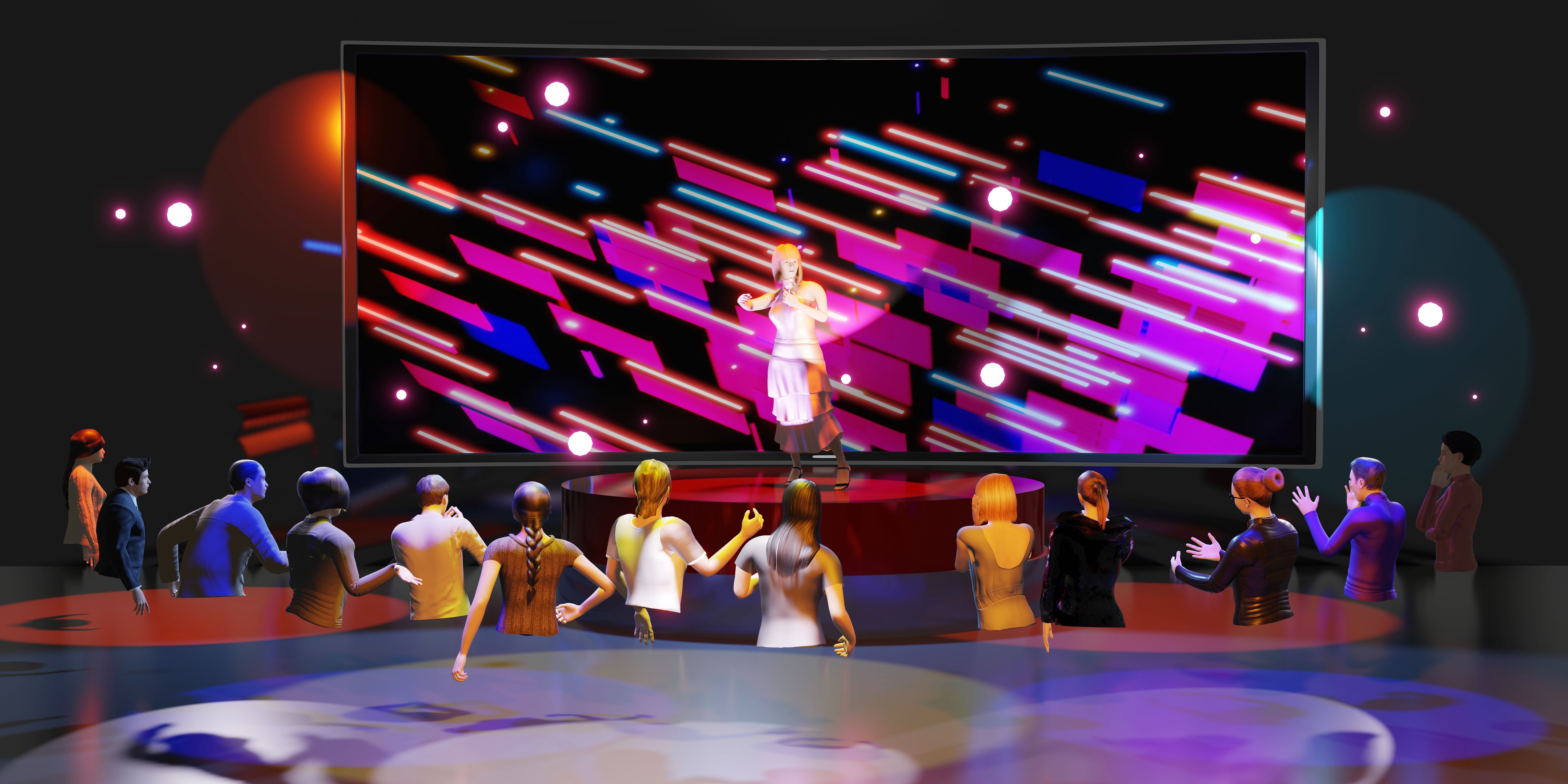
Today, electronic music continues to evolve with new trends and innovations. The integration of artificial intelligence, virtual reality, and blockchain technology is opening up new frontiers for artists and fans alike.
Live streaming and virtual concerts have become increasingly popular, allowing artists to reach global audiences and experiment with new forms of engagement. These trends demonstrate the genre's adaptability and forward-thinking nature.
Conclusion
The evolution of electronic music is a testament to the power of creativity and technology. As the genre continues to innovate and expand, it remains at the forefront of musical exploration, inspiring generations of artists and fans.
Whether you're a longtime fan or a newcomer, electronic music offers a rich tapestry of sounds and experiences to discover. Its journey is far from over, and the future promises even more exciting developments.