
The Power of Multi-Sensorial Music Experiences


Introduction to Multi-Sensorial Music Experiences
Music has always been a powerful medium, capable of evoking emotions and memories. However, when combined with other sensory elements, its impact becomes even more profound. Multi-sensorial music experiences engage more than just our auditory senses, creating immersive environments that captivate and transform audiences.
By integrating visual, tactile, and even olfactory components, these experiences can transcend traditional listening sessions, offering a deeper connection to the music and the emotions it conveys.
Enhancing Emotional Connection
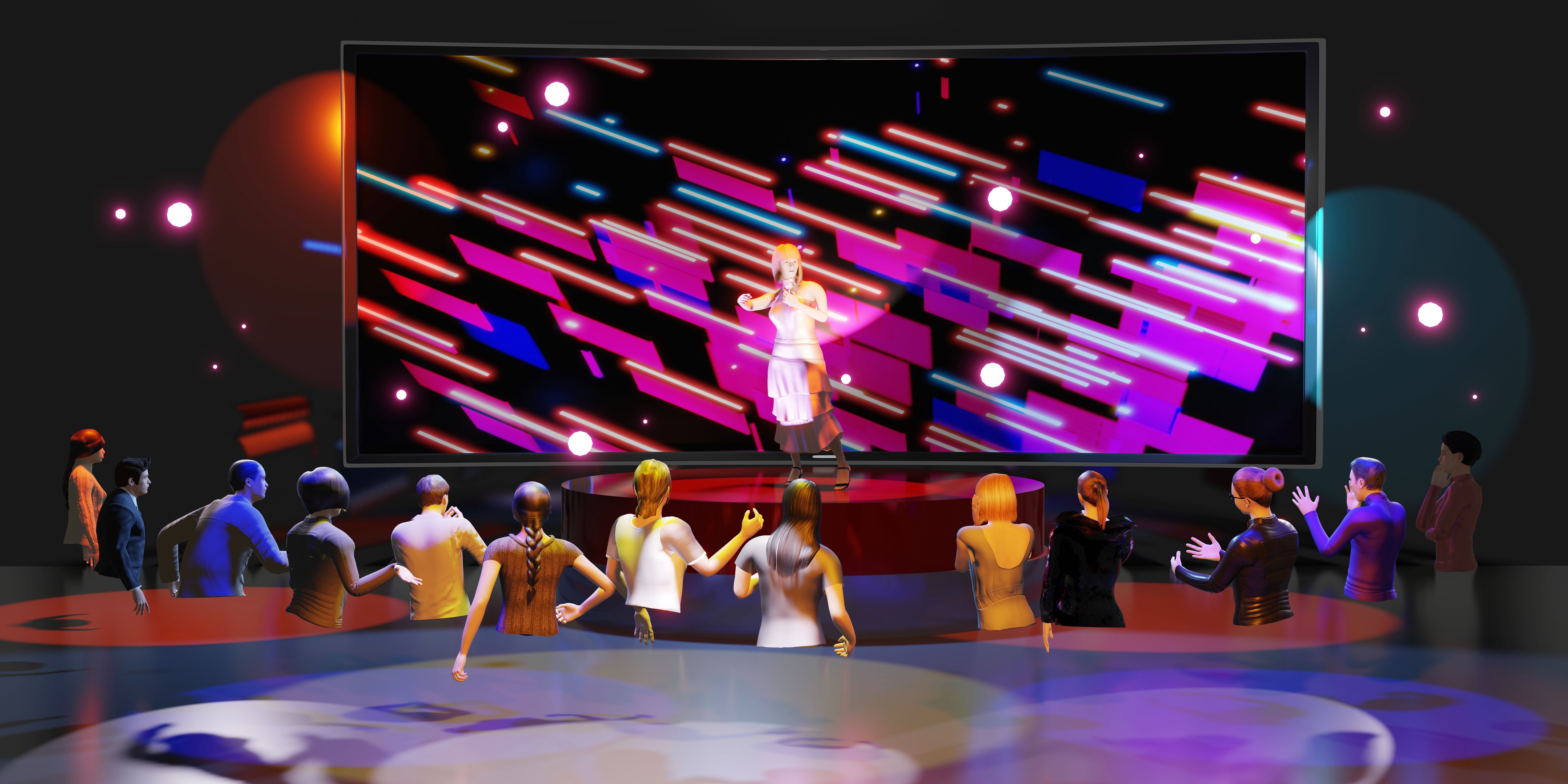
One of the primary benefits of multi-sensorial music experiences is the enhanced emotional connection they foster. When music is paired with visual elements such as light shows or video projections, the audience can experience a heightened sense of emotion. This combination can amplify feelings of joy, nostalgia, or excitement, making the experience more memorable.
For instance, a concert with synchronized visuals can transport the audience to different worlds, allowing them to feel as though they are part of the story the music tells.
Engaging Multiple Senses
Beyond sight and sound, incorporating other senses like touch and smell can further enrich the music experience. Tactile feedback, such as vibrations through seats or floors, can make bass lines feel more intense, while scents can evoke specific memories or associations.
This multi-sensory approach can create an environment where attendees feel completely absorbed, providing a holistic experience that goes beyond mere listening.
Innovations in Technology
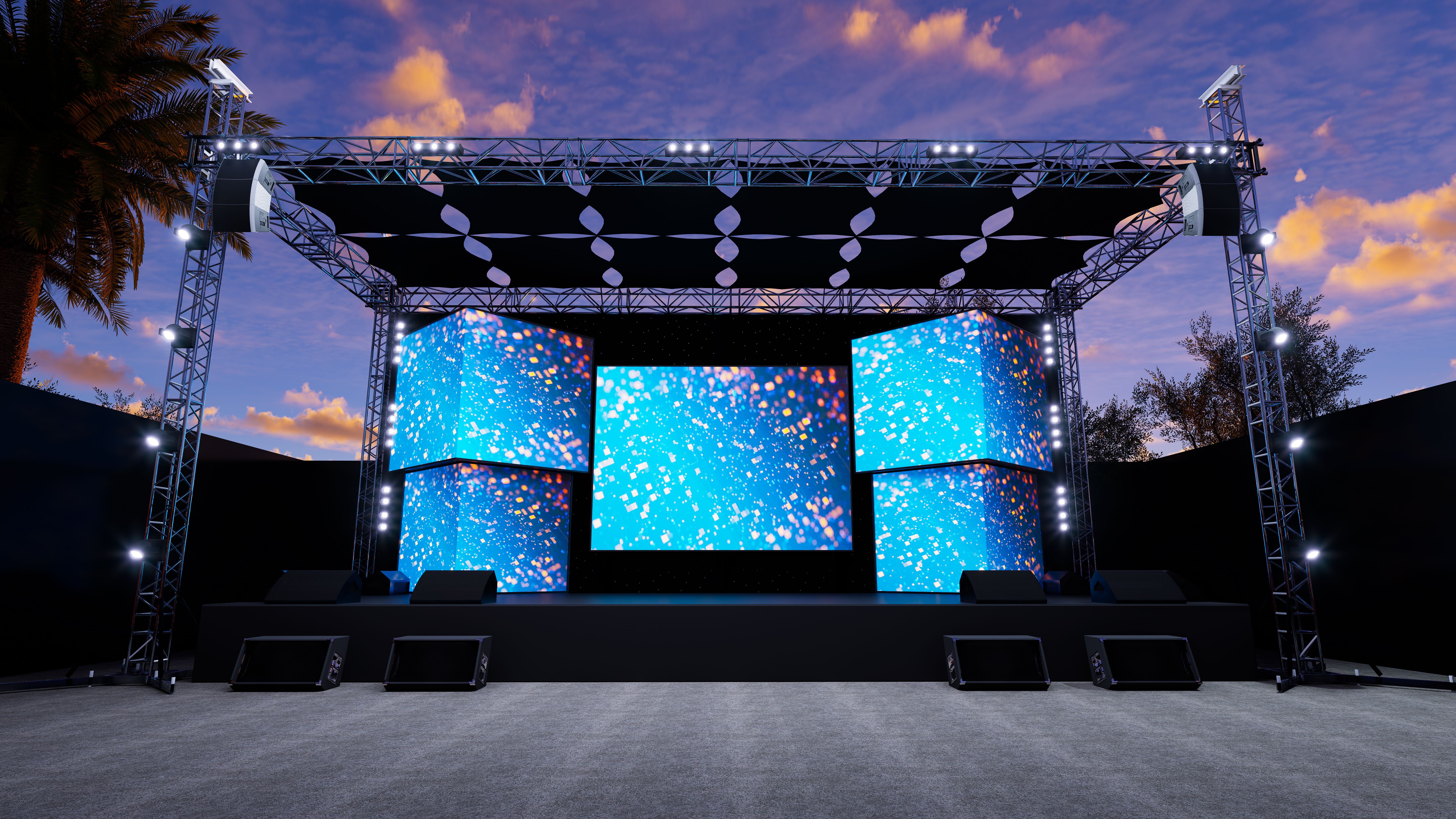
Recent technological advancements have made these experiences more accessible and sophisticated. Virtual reality (VR) and augmented reality (AR) are now being used to craft unique music experiences that allow users to interact with the music in unprecedented ways.
These technologies enable creators to design environments where music is not just heard but also seen and felt, pushing the boundaries of traditional performances.
Applications in Therapy and Wellness
Multi-sensorial music experiences also have significant potential in therapeutic settings. Music therapy has long been used to aid in healing and emotional well-being, and when combined with other sensory stimuli, its effectiveness can be enhanced.
These experiences can be tailored to help reduce stress, anxiety, or pain, offering a more comprehensive approach to mental health and wellness.

Conclusion: The Future of Music Experiences
The power of multi-sensorial music experiences lies in their ability to engage audiences on multiple levels. As technology continues to evolve, these experiences will likely become more prevalent, offering new ways to connect with music and each other.
Whether at a concert, in a therapeutic setting, or through personal devices, the fusion of music with other sensory elements promises a future where music is not just heard but truly experienced.