
Why Multi-Sensorial Shows Are the Future of Live Music Experiences


Introduction to Multi-Sensorial Shows
In recent years, the landscape of live music experiences has undergone a transformation. With the advent of technology and innovative ideas, multi-sensorial shows have emerged as a groundbreaking trend, captivating audiences worldwide. These shows engage not just the ears, but also the eyes, touch, and even smell, creating an immersive environment that traditional concerts often lack.
By integrating various sensory elements, multi-sensorial shows offer a more engaging and memorable experience for attendees. As the live music industry evolves, these shows are becoming a cornerstone of modern entertainment.

The Science Behind Sensory Engagement
Multi-sensorial shows leverage the power of sensory engagement to enhance the audience's connection with the performance. Scientific research has shown that stimulating multiple senses can improve memory retention and emotional response. By engaging more than one sense, attendees are likely to form a deeper connection with the music and the overall experience.
For example, adding visual elements like dynamic lighting, projections, or holograms can amplify the emotional impact of a song. Similarly, incorporating scents or tactile feedback can create a more holistic and memorable experience.
Innovative Technology Driving the Change
Advancements in technology have been instrumental in the rise of multi-sensorial shows. Virtual reality (VR), augmented reality (AR), and 3D sound systems are just a few examples of how technology is being used to create immersive environments. These tools allow artists to transport their audience into a different realm, making concerts more interactive and engaging.
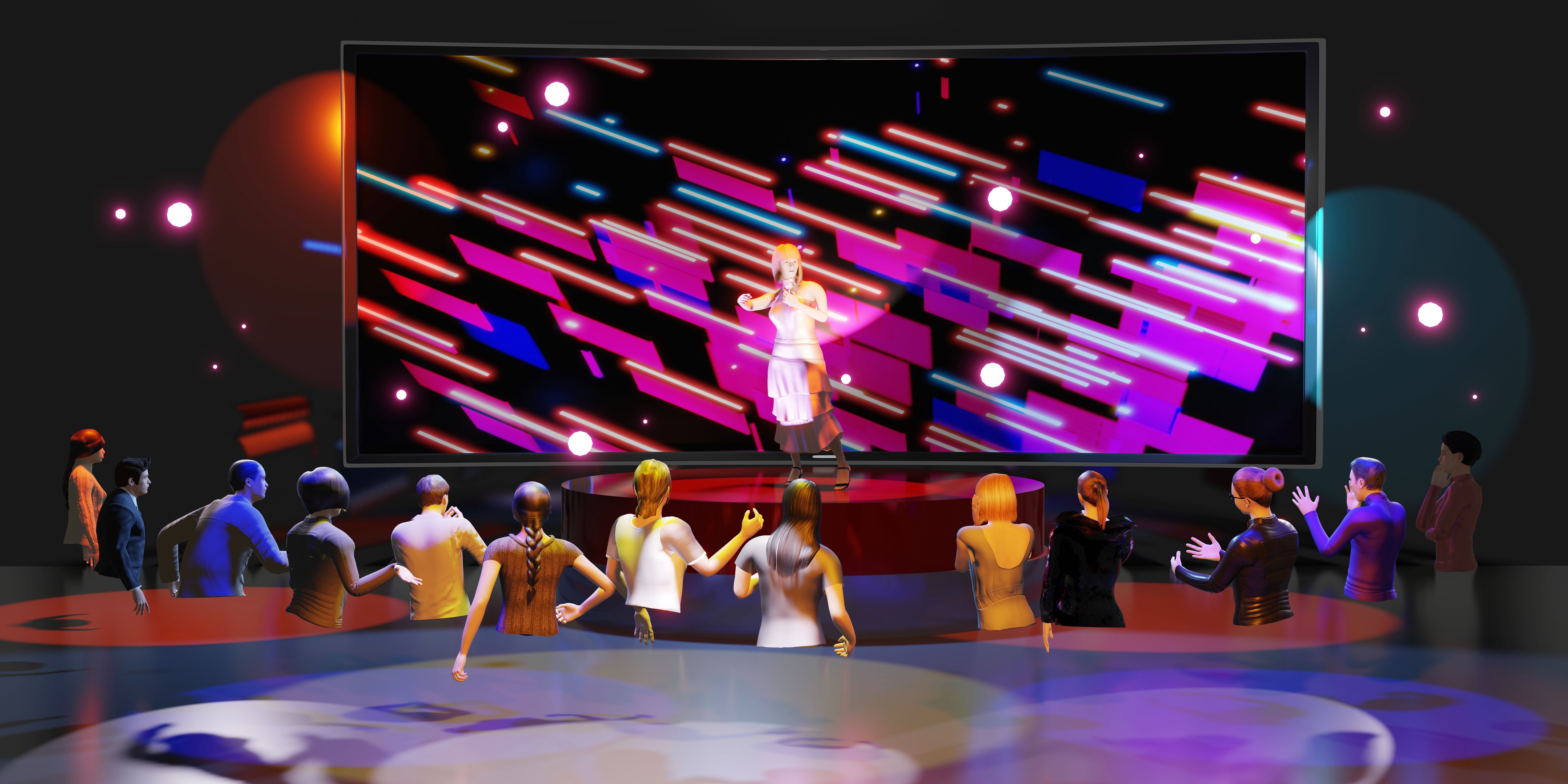
The use of wearables and haptic technology also plays a significant role in enhancing the tactile experience. Audiences can feel the beat of the music through vibrations, creating a physical connection with the performance.
Benefits for Artists and Audiences
Multi-sensorial shows offer numerous benefits for both artists and audiences. For artists, these shows provide a unique platform to express their creativity and connect with fans on a deeper level. By offering an unforgettable experience, artists can cultivate a loyal fanbase and stand out in a competitive industry.
For audiences, the benefits are equally compelling. These shows offer a break from reality, providing an escape into a world of sound, light, and emotion. They also foster a sense of community, as attendees share a unique experience that goes beyond a typical concert.
Challenges and Considerations
While the potential of multi-sensorial shows is immense, there are challenges that organizers and artists must consider. The cost of technology and production can be significant, requiring substantial investment. Additionally, ensuring that these experiences are accessible to all, including those with sensory sensitivities, is crucial.
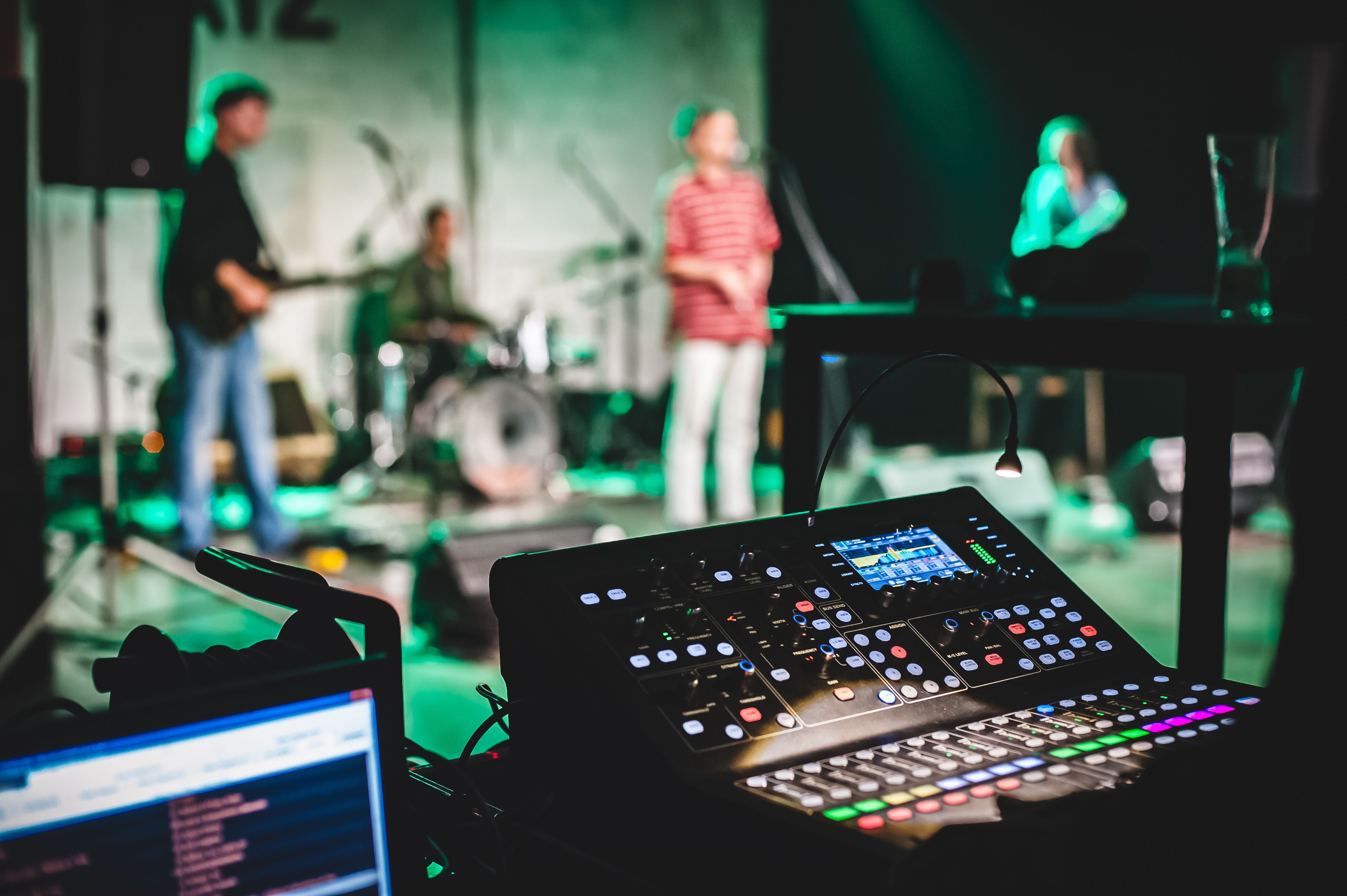
Environmental considerations are also important, as the use of technology and special effects can have an ecological impact. Finding sustainable solutions will be key to the future success of these shows.
The Future of Live Music Experiences
As the demand for unique and immersive experiences grows, multi-sensorial shows are set to become a staple in the live music industry. They represent a shift towards a more inclusive and engaging form of entertainment that caters to diverse audiences.
With continued innovation and investment, the future of live music experiences looks promising. Artists and organizers who embrace this trend will likely lead the way in crafting unforgettable experiences that resonate with audiences around the world.